
Aging gracefully doesn’t have to be a mystery or an uphill battle — it means stepping into a new chapter of strength, beauty, and wisdom. Are you a woman over 40 who wants to feel energetic, look radiant, and stay sharp? You’re not alone.
Are you noticing changes in your energy, skin, or mood? With the right supplements, you can bridge the nutritional gaps, feel revitalized, and thrive at every age. In this guide, we reveal the five must-have supplements every woman over 40 needs to stay vibrant and healthy.
From powerhouse antioxidants like curcumin to the collagen that keeps your skin youthful, this guide dives deep into science-backed solutions for healthy aging. Uncover how these research-supported nutrients can help you feel vibrant, energetic, and youthful at any stage of life.
Let’s explore the best supplements to keep you feeling vibrant and looking radiant—every single day.
As a Vibrant Lady, What You Need To Know To Age Gracefully?
- Nutrient deficiencies most commonly increase as we age, leading to various health issues
- Supplements can help fill these gaps and support overall well-being
- According to the National Institute on Aging, ensuring adequate intake of key nutrients can lower the risk of chronic illnesses such as osteoporosis, heart disease, and cognitive decline.
- Antioxidants like curcumin and EGCG offer powerful anti-aging benefits
- Collagen and CoQ10 can support skin health and energy levels
- Targeted supplements like NAD+ precursors and vitamin C can boost cognitive function and immunity
Why Supplements Are the Secret to Thriving After 40
As women age, hormonal and physical changes can lead to nutrient deficiencies. For example, research suggests that a significant proportion of older adults may not obtain adequate vitamin B12 through diet alone, which is associated with fatigue, memory difficulties, and mood changes. Women can also lose meaningful amounts of bone mass in the years around menopause, making calcium and vitamin D especially important for maintaining bone density and reducing fracture risk, as noted by the National Osteoporosis Foundation.
According to the World Health Organization, nearly one-third of women worldwide experience iron deficiency, which can impact energy and immunity. Magnesium is another nutrient many Americans fall short on, despite its importance for muscle function and energy production. Taking supplements with key nutrients can help fill these gaps and support long-term health.
| Key Nutrient | Why It’s Important for Women Over 40 | Recommended Supplement Form |
| Magnesium | Supports energy and muscle function | Magnesium Glycinate |
| Vitamin B12 | Improves brain function & combats fatigue | B12 Sublingual Drops |
| Collagen | Promotes skin elasticity and joint health | Hydrolyzed Collagen Peptides |
| Vitamin D3 + K2 | Enhances bone & cardiovascular health | D3 + K2 Capsules |
For instance, supplements like omega-3 fatty acids support heart health, while probiotics improve gut health and immunity. The American Heart Association recognizes omega-3 fatty acids as supportive of cardiovascular health. Incorporating targeted supplements into your routine can make a significant difference in how you feel every day.
Why Multivitamins Are a Must-Have for Women Over 40
Choosing a multivitamin designed specifically for women over 40 is crucial to address age-specific nutritional needs. A quality women’s multivitamin bridges nutrient gaps and promotes long-term health and vitality by delivering key vitamins and minerals — including vitamin C, riboflavin, vitamin B6, and folate — in amounts calibrated to support the unique needs of women at this life stage.
Curcumin: The Powerhouse Anti-Aging Compound
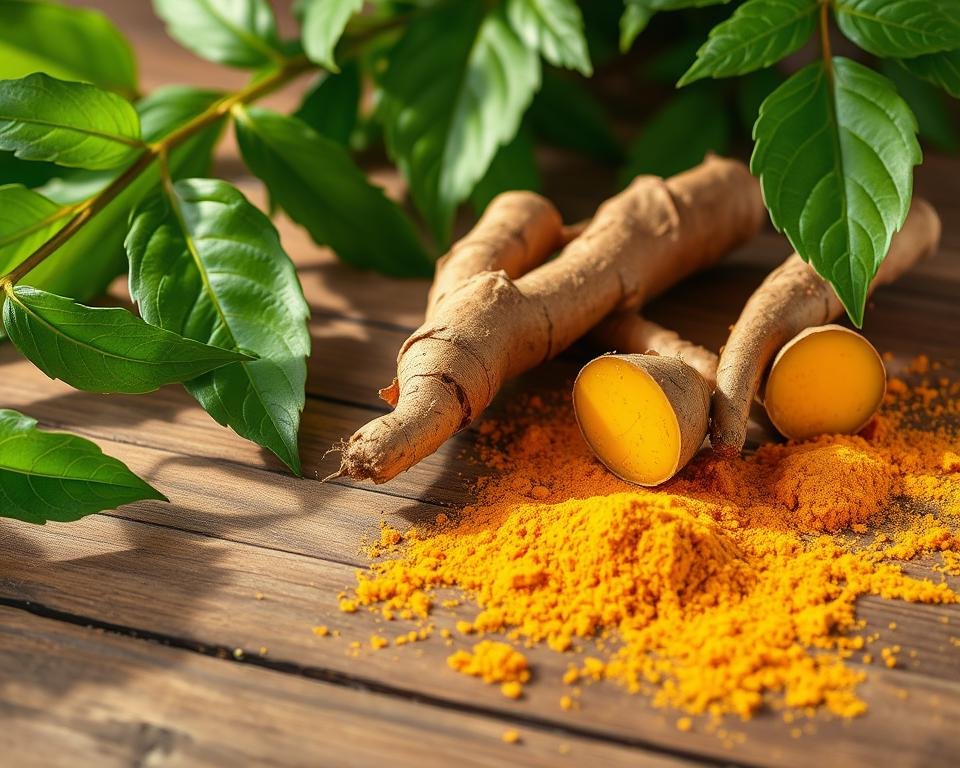
As women age, maintaining good health becomes essential. Curcumin, the active compound in turmeric, stands out for its strong antioxidant and anti-inflammatory properties, making it a valuable ally for women over 40 who want to stay vibrant and full of energy.
Research has explored curcumin’s potential to support healthy aging. According to a 2022 study published in Frontiers in Aging Neuroscience, curcumin significantly improved cognitive function in adults aged 50-85 after 12 weeks of supplementation. The National Center for Complementary and Integrative Health (NCCIH) notes that curcumin has been extensively studied for its anti-inflammatory properties, with some research suggesting benefits for joint comfort and overall well-being. It also promotes skin repair, reduces visible signs of oxidative aging, and may support your skin’s natural glow.
“Curcumin is a true powerhouse when it comes to supporting overall health and wellness as we age. Its anti-inflammatory and antioxidant properties make it a supplement worth discussing with your healthcare provider.”
By incorporating curcumin into your daily routine, you can unlock numerous health and anti-aging benefits. It works well with other anti-aging nutrients like resveratrol, zinc, and CoQ10. Together, they help fight inflammation, support energy, and keep you feeling great.
| Supplement | Key Benefits | Recommended Daily Dose |
|---|---|---|
| Curcumin | Anti-inflammatory, antioxidant, cognitive support, joint health | 500-1,000 mg |
| Resveratrol | Reduces oxidative stress, improves mitochondrial function | 250-500 mg |
| Zinc | Supports immune function, reduces inflammation | 8-11 mg |
| CoQ10 | Boosts energy production, supports heart health | 100-200 mg |
Curcumin fights aging, boosts brain power, and helps keep you healthy. For best absorption, look for formulas that include piperine (black pepper extract), which the research suggests significantly improves curcumin bioavailability. Always consult your healthcare provider before starting a new supplement regimen.
EGCG: Green Tea’s Secret to Staying Youthful and Energetic
As women get older, staying young and full of energy is key. Nature offers a powerful helper in EGCG, or epigallocatechin gallate, found in green tea. This potent antioxidant helps protect cells and support overall vitality.
According to the NCCIH, green tea has been studied for its potential metabolic benefits. Research suggests EGCG may modestly support healthy metabolism and fat oxidation during exercise, though effects vary among individuals. The catechins in green tea, including EGCG, are well-established antioxidants that protect cells from oxidative stress — a key driver of aging.
EGCG does more than just support weight management. It also helps protect brain cells from oxidative damage, which may support cognitive sharpness as you age. Animal studies have suggested improvements in exercise endurance, though human data remains limited.
For women over 40, EGCG is a great addition to a healthy lifestyle. It protects cells, helps keep your brain sharp, and supports healthy metabolism. EGCG is nature’s elixir, supporting youthful vitality when combined with balanced nutrition and regular physical activity.
Remember, EGCG is just part of the puzzle. Eating well and exercising regularly helps you get the most benefits from any supplement. Adding EGCG-rich green tea or supplements to your daily routine is a sensible step in a comprehensive healthy-aging plan.
Collagen: Your Essential Ally for Youthful, Radiant Skin
As we get older, our bodies produce less collagen — the structural protein that gives skin its firmness and elasticity. This natural decline leads to wrinkles, sagging skin, and joint stiffness. Taking collagen supplements may help support skin structure and comfort.
Collagen is key for our skin, bones, and connective tissues. Dermatology research indicates that collagen production begins declining in our mid-twenties and accelerates with hormonal changes in our 40s and beyond. The amino acids in hydrolyzed collagen peptides — particularly glycine, proline, and hydroxyproline — are the building blocks your body needs to maintain skin structure and elasticity.
Some peer-reviewed studies have found that regular collagen peptide supplementation may support skin hydration and elasticity over periods of 8-12 weeks, though individual results vary and more large-scale trials are needed. Adding collagen supplements to your daily routine is a popular approach to supporting your skin as you age.
“By age 40, the body’s natural collagen production has already begun to decline significantly, making dietary sources and supplementation increasingly relevant for skin and joint support.”
Choosing the Right Collagen Supplement
Look for high-quality collagen sources. Types I and III are most studied for skin health; Type II is often highlighted for joint support. Collagen can be sourced from bovine (grass-fed), marine, or chicken origins — choose based on your dietary preferences and any known sensitivities.
Collagen supplements are available in powders, capsules, and liquids, offering flexibility for your routine. Experts generally recommend taking 2.5 to 15 grams daily for skin and joint benefits, though optimal dosing depends on the specific product and your individual needs. Choose products without added sugars or artificial ingredients, and look for formulas that include vitamin C and hyaluronic acid to support collagen synthesis and skin hydration.
Make sure bovine collagen is sourced from pasture-raised animals when possible, and look for third-party quality certifications such as NSF or USP. Adding a quality multivitamin with vitamins A, C, E, and D can further support your skin from the inside out.
CoQ10: Your Energy Booster and Anti-Aging Ally
As we get older, our bodies naturally produce less CoQ10 (Coenzyme Q10), a key compound involved in cellular energy production. Declining CoQ10 levels are associated with fatigue and reduced cardiovascular efficiency. According to the NIH Office of Dietary Supplements, CoQ10 plays a critical role in mitochondrial energy metabolism and serves as a powerful antioxidant within cells.
For women over 40, CoQ10 is worth considering for maintaining energy levels and supporting overall health. Research has explored CoQ10’s role in heart function, and some clinical trials suggest it may provide modest benefits for people with certain cardiovascular conditions. It also helps protect skin cells from oxidative damage and may reduce the frequency and severity of migraines in some individuals.
CoQ10 has a broad wellness profile — it may help support healthy blood sugar regulation, combat oxidative stress, and support exercise recovery. You can obtain some CoQ10 from dietary sources such as oily fish, organ meats, and whole grains, but supplement doses are typically needed to achieve levels studied in clinical research.
A typical supplemental dose ranges from 100-200 mg daily, taken with a meal containing fat to support absorption. CoQ10 is generally well-tolerated, though it may interact with certain medications including blood thinners. Always consult your healthcare provider before adding CoQ10 to your routine.
Did you know? CoQ10 levels naturally decline with age, and the NIH notes that CoQ10 is found in virtually every cell in the human body, where it plays an essential role in energy production and antioxidant defense.
CoQ10 is a well-researched supplement for aging support. It boosts energy, helps protect the brain, and may support clearer skin. For optimal absorption, consider formulas that use ubiquinol (the active, reduced form of CoQ10) or include black pepper extract (piperine) for improved bioavailability.
Women’s Daily Multivitamin: Essential Nutrients for Overall Health
As women age, a comprehensive daily multivitamin can make a meaningful difference. These vitamins and minerals help maintain overall health, fill nutritional gaps from diet, and support sustained energy and vitality.
Look for a women’s formula designed for your life stage — typically with higher levels of vitamin D, B vitamins, and iron for pre-menopausal women, and more calcium and vitamin D for post-menopausal women. The HHS Office on Women’s Health recommends that women pay particular attention to nutrients like calcium, vitamin D, folic acid, and iron, as needs change significantly during and after the transition to menopause.
Quality multivitamins come in capsules, tablets, and gummies. Gummy multivitamins are a popular option for women who prefer a gentler format, though they may contain added sugar and sometimes lower doses of key minerals. Look for products that have been third-party verified (USP, NSF International, or ConsumerLab) for purity and label accuracy.
Whether you prefer capsules or gummies, a good multivitamin is a sensible foundation for healthy aging. It supports everything from bone health and immune function to energy production and skin vitality.
Nicotinamide Riboside and Nicotinamide Mononucleotide: Revitalizing NAD+ Levels
As we get older, our NAD+ (nicotinamide adenine dinucleotide) levels decline. NAD+ is a coenzyme found in every cell and is essential for energy metabolism, DNA repair, and cellular function. Luckily, nicotinamide riboside (NR) and nicotinamide mononucleotide (NMN) are emerging supplements designed to help restore this essential coenzyme.
Nicotinamide Riboside: Boosting Energy and Longevity
Nicotinamide riboside is a form of vitamin B3 that the body can convert directly into NAD+, supporting energy production, DNA repair, and healthy cell function. Taking NR supplements may help address age-related NAD+ decline, potentially improving energy levels and supporting cognitive health. Research in this area is still emerging, but early human trials are promising.
People typically take 250-300 mg of NR per day. Published studies suggest it is well-tolerated at these doses and effectively raises NAD+ blood levels. Some individuals may experience mild digestive discomfort initially, but this is generally temporary.
Nicotinamide Mononucleotide: The Cutting Edge of NAD+ Replenishment
Nicotinamide mononucleotide (NMN) is another NAD+ precursor that has attracted significant research interest. The regulatory status of NMN supplements has been a point of discussion in the U.S., so it’s worth checking current guidance from the FDA. Most controlled studies on NMN have been in animal models, though a 2023 human study found doses up to 900 mg per day were well-tolerated and raised NAD+ levels.
Foods such as edamame, cucumbers, broccoli, and avocado contain small amounts of NMN naturally, though supplemental doses are likely needed to meaningfully raise NAD+ levels. Whether you choose NR, NMN, or focus on dietary sources, supporting NAD+ levels as you age is an active and promising area of longevity research. Always consult your healthcare provider before starting any new supplement regimen.
“Keeping NAD+ levels healthy is key for energy, DNA repair, and cellular function as we age. Supplements like nicotinamide riboside and nicotinamide mononucleotide represent a growing area of research into healthy longevity.”
Crocin: Saffron’s Secret for Cognitive Health
Women over 40 need to keep their minds sharp, and nature may offer help in an unexpected place. Crocin, the active compound found in saffron, has been studied for its potential benefits to brain health and mental clarity.
Research published in peer-reviewed journals has found that saffron and its active compounds, including crocin and safranal, may support memory, mood, and overall cognitive function. The NCCIH has reviewed evidence suggesting saffron may have mild antidepressant effects comparable to low-dose medication in some small studies, making it a natural option worth discussing with your doctor.
Saffron has been used in traditional medicine for thousands of years across multiple cultures. Modern research is now validating some of its traditional uses, particularly around mood support and eyesight protection. Some studies have looked at crocin’s potential to support retinal health and protect against age-related eye changes.
Crocin from saffron is a natural, science-supported way to support your mind as you age. Look for standardized saffron extract products that specify crocin content to ensure quality and consistency. As with all supplements, quality matters — choose products from reputable manufacturers with third-party testing.
“Crocin from saffron has been studied for its potential to support memory, cognitive function, eye health, and mood — making it one of the more intriguing botanical supplements for women in their 40s and beyond.”
Saffron-derived supplements with standardized crocin content may support memory, focus, and brain function. They have also been studied for potential benefits to eyesight and mood. As women age, finding well-researched cognitive support supplements like crocin is an important part of a comprehensive healthy-aging plan.
As women age, finding good cognitive support is key. Crocin from saffron is a well-researched, natural choice for brain health that is worth exploring with your healthcare provider.
Vitamin C: The Ultimate Antioxidant for Healthy Aging
As we get older, our bodies face increased challenges from oxidative stress and inflammation. Vitamin C is one of the most well-studied antioxidants for combating these age-related changes. It is a key nutrient for women over 40 who want to stay healthy and support long-term vitality.
According to the NIH Office of Dietary Supplements, vitamin C neutralizes harmful free radicals that damage cells, and plays a critical role in collagen synthesis — making it doubly important for skin health and wound repair. It also strongly supports immune function, helping the body fight off infections and recover more quickly.
The recommended dietary allowance for women is 75 mg of vitamin C per day, with an upper tolerable intake of 2,000 mg. Many healthcare providers suggest that adults over 50 aim for at least 90 mg daily. Eating foods rich in vitamin C — such as citrus fruits, bell peppers, guavas, broccoli, and strawberries — is the most natural way to meet your needs. Supplements can help fill the gap when dietary intake falls short.
Women over 40 can support healthy aging by prioritizing vitamin C both through diet and supplementation when needed. Vitamin C keeps the immune system strong, supports skin vitality, and helps protect cognitive health. With the right nutrition, women can enjoy their later years with energy and confidence.
“Vitamin C is an essential nutrient that plays a vital role in supporting healthy aging. As we grow older, ensuring adequate vitamin C intake can help us maintain optimal health and well-being. Always speak with your healthcare provider about the right dose for your individual needs.”
Always talk to a doctor before starting new supplements. They can suggest the best options for your individual health profile and goals.
Vitamin E: Strengthening Immunity and Combating Inflammation
Vitamin E is key for a strong immune system and reduced inflammation. As we get older, immune function can weaken and chronic low-grade inflammation may increase, raising the risk of various age-related conditions. Vitamin E supplements help keep the body’s defenses strong and support the body’s natural anti-inflammatory processes.
According to the NIH Office of Dietary Supplements, vitamin E is a fat-soluble antioxidant that protects cell membranes from oxidative damage. It also plays a role in immune function by supporting white blood cells that fight infections. Some research suggests that adequate vitamin E may help reduce the risk of certain chronic diseases, though supplementation beyond recommended levels carries risks.
Even with a good diet, many women over 40 may not consistently meet their vitamin E needs through food alone. A quality multivitamin that includes vitamin E ensures you’re covering your daily requirement — the recommended dietary allowance for adult women is 15 mg (about 22 IU) of natural vitamin E per day. The tolerable upper intake level is 1,000 mg, and exceeding this — especially with supplemental vitamin E — should only be done under medical guidance.
Adding vitamin E-rich foods — such as nuts, seeds, plant oils, and leafy greens — to your daily diet supports your immune system and reduces inflammation naturally. A balanced diet combined with a quality supplement when needed is the best approach to keep you healthy as you age.
“Vitamin E is a powerful antioxidant that helps protect the body from the damaging effects of free radicals, which can contribute to inflammation and age-related health issues. Ensuring adequate vitamin E intake — primarily through a nutrient-dense diet — is a simple yet effective strategy for long-term well-being.”
L-Theanine: Promoting Relaxation and Cognitive Health
Women over 40 face many challenges, including increased stress and cognitive changes that come with hormonal fluctuations. L-theanine, an amino acid found naturally in green tea, may help on both fronts — supporting mental calm and cognitive clarity without causing drowsiness.
Research suggests L-theanine promotes a state of relaxed alertness by influencing alpha brain waves — the same state associated with calm focus during meditation. It has been studied for potential benefits to sleep quality, anxiety reduction, and cognitive performance, particularly when combined with caffeine. This makes it a helpful option for women who want to manage daily stress without feeling sedated.
L-theanine helps you relax without making you sleepy — a quality that distinguishes it from many sedative supplements. This is particularly useful for women who want to handle stress and keep their minds sharp throughout the day.
Green tea is a natural source of L-theanine, with approximately 25 to 60 milligrams per cup depending on the variety and brewing time. If you prefer a more targeted dose, L-theanine supplements are widely available. Research has commonly used doses of 100-200 mg; some sleep support protocols suggest taking it before bed to promote restful sleep.
L-theanine is a well-tolerated, natural choice for women’s health. It supports relaxation, clearer thinking, and better sleep — three pillars of healthy aging that profoundly affect how you feel every day.
“L-theanine is believed to improve sleep quality via anxiolysis, not sedation — meaning it helps calm the mind without causing the grogginess associated with traditional sleep aids.”
Adding L-theanine to your daily routine can support your health and wellbeing in a meaningful way. Whether for managing stress, improving sleep, or maintaining cognitive sharpness, this natural amino acid is an effective and gentle option for women over 40. Women following plant-based diets will be pleased to know that L-theanine supplements are widely available in vegan formulations.
Conclusion
As you age, targeted supplements can meaningfully support your health and vitality. From curcumin and EGCG for their antioxidant and anti-inflammatory properties, to collagen for skin and joint support, to CoQ10 for cellular energy — each of the supplements covered in this guide addresses specific challenges that women commonly face after 40.
Adding a women’s daily multivitamin to your routine is a smart foundational step. It fills in nutritional gaps that a busy lifestyle or reduced nutrient absorption with age may create. Research consistently supports the value of adequate micronutrient intake for reducing chronic disease risk and supporting cognitive health as we age.
As the supplement market continues to grow, it’s increasingly important to choose natural, high-quality products — look for third-party tested brands and discuss your choices with your healthcare provider. With the right supplements as part of a balanced, active lifestyle, you can age well and live fully.
References
- [1] National Center for Complementary and Integrative Health (NCCIH) — Turmeric
- [2] National Center for Complementary and Integrative Health (NCCIH) — Green Tea
- [3] NIH Office of Dietary Supplements — Coenzyme Q10 (CoQ10) Fact Sheet
- [4] NIH Office of Dietary Supplements — Vitamin C Fact Sheet
- [5] NIH Office of Dietary Supplements — Vitamin E Fact Sheet
- [6] HHS Office on Women’s Health — Vitamins and Minerals
- [7] National Institute on Aging — Vitamins and Minerals for Older Adults
- [8] National Center for Complementary and Integrative Health (NCCIH) — Saffron
Medical Disclaimer: This article is for informational purposes only and is not a substitute for professional medical advice, diagnosis, or treatment. Always consult a qualified healthcare provider before starting any new supplement regimen, especially if you have an existing health condition, are pregnant or breastfeeding, or are taking prescription medications. Individual results may vary, and supplement needs differ from person to person.
Frequently Asked Questions
What are the top supplements every woman over 40 needs for graceful aging?
The five core supplements most commonly recommended for women over 40 are: (1) Curcumin — a potent anti-inflammatory antioxidant from turmeric; (2) EGCG from green tea — for cellular protection and metabolic support; (3) Collagen peptides — to support skin elasticity and joint comfort; (4) CoQ10 — to support cellular energy production; and (5) a women’s daily multivitamin — to fill nutritional gaps that are common with age. Additional supplements like vitamin C, vitamin E, L-theanine, and NAD+ precursors can provide complementary benefits depending on individual needs.
Why are supplements important for women over 40?
After 40, hormonal changes, reduced nutrient absorption, and increased oxidative stress create new nutritional needs that diet alone may not fully address. The National Institute on Aging notes that ensuring adequate nutrient intake can help reduce the risk of chronic conditions such as osteoporosis, heart disease, and cognitive decline. Targeted supplements help bridge these gaps and support sustained vitality, energy, and overall well-being.
How can curcumin benefit women over 40?
Curcumin, the active compound in turmeric, is one of the most extensively studied natural anti-inflammatory compounds. According to the NCCIH, curcumin may support joint health, cognitive function, and overall cellular health by modulating inflammatory pathways. Research published in Frontiers in Aging Neuroscience found improvements in cognitive function among older adults after 12 weeks of curcumin supplementation. It works best when taken in bioavailable forms with piperine (black pepper extract).
How can collagen supplementation help with the signs of aging?
Collagen is the most abundant structural protein in your body, giving skin its firmness and elasticity and supporting joint and bone health. As natural collagen production declines with age, supplementing with hydrolyzed collagen peptides provides the amino acids your body needs to support skin structure. Peer-reviewed studies suggest that regular collagen supplementation (2.5-15g daily) may support skin hydration, reduce the appearance of fine lines, and improve joint comfort over 8-12 weeks of consistent use.
What are the benefits of CoQ10 for women over 40?
CoQ10 is an essential coenzyme found in every cell of the body, where it plays a central role in energy metabolism and serves as a powerful antioxidant. According to the NIH Office of Dietary Supplements, CoQ10 levels naturally decline with age. Supplementing with CoQ10 may help support cellular energy, heart function, and protection against oxidative stress. Some research also suggests it may reduce migraine frequency and support healthier skin. Doses of 100-200 mg daily are most commonly studied.
What is the most powerful anti-aging supplement for women?
There is no single “most powerful” anti-aging supplement — effective anti-aging support comes from a combination of approaches. That said, collagen peptides (for skin and joints), CoQ10 (for cellular energy), and curcumin (for inflammation control) are among the most evidence-backed options. Vitamin C is also particularly valuable as a cofactor for collagen synthesis and a potent antioxidant. The best approach is a comprehensive plan that includes these targeted supplements alongside a balanced diet, regular exercise, adequate sleep, and sun protection.
What vitamin deficiency is most common in women over 40?
Vitamin D deficiency is among the most widespread nutritional shortfalls in women over 40, largely due to reduced sun exposure, lower skin synthesis efficiency with age, and limited dietary sources. The NIH Office of Dietary Supplements notes that adequate vitamin D is critical for calcium absorption, bone health, and immune function. Vitamin B12 deficiency also becomes more common with age as stomach acid production decreases, impairing absorption. Most healthcare providers recommend getting bloodwork to identify personal deficiencies before supplementing.
How can I increase my collagen after 40?
- Take hydrolyzed collagen peptides (Types I and III) daily — best consumed with vitamin C-rich foods or supplements to support collagen synthesis
- Eat vitamin C-rich foods regularly: citrus fruits, bell peppers, guava, strawberries, and broccoli
- Protect existing collagen by avoiding excessive sun exposure (use broad-spectrum SPF 30+), not smoking, and minimizing ultra-processed food intake
- Include protein-rich foods that provide collagen-building amino acids: bone broth, chicken, fish, and eggs
What are the most beneficial supplements for women overall?
- A women’s daily multivitamin — ensures balanced nutrition across all essential vitamins and minerals
- Omega-3 fatty acids — support heart health, brain function, and reduce inflammation; recognized by the American Heart Association for cardiovascular benefits
- Folic acid (400 mcg daily) — recommended by the HHS Office on Women’s Health to support cell repair and reduce homocysteine levels linked to heart disease risk
- Calcium + Vitamin D — essential for bone density and fracture prevention, especially important after menopause