
Do you see signs of aging when you look in the mirror? You’re not alone. Our bodies produce less collagen as we age — the protein that keeps skin firm, hair strong, and joints flexible. Collagen supplements have grown in popularity as a way to support what the body gradually loses over time, but understanding what the research actually says can help you make a more informed choice.
With so many products and marketing claims out there, it can be difficult to separate fact from fiction. This guide covers what collagen is, what the science says about supplementing with it, and how to choose a quality product that aligns with your health goals.
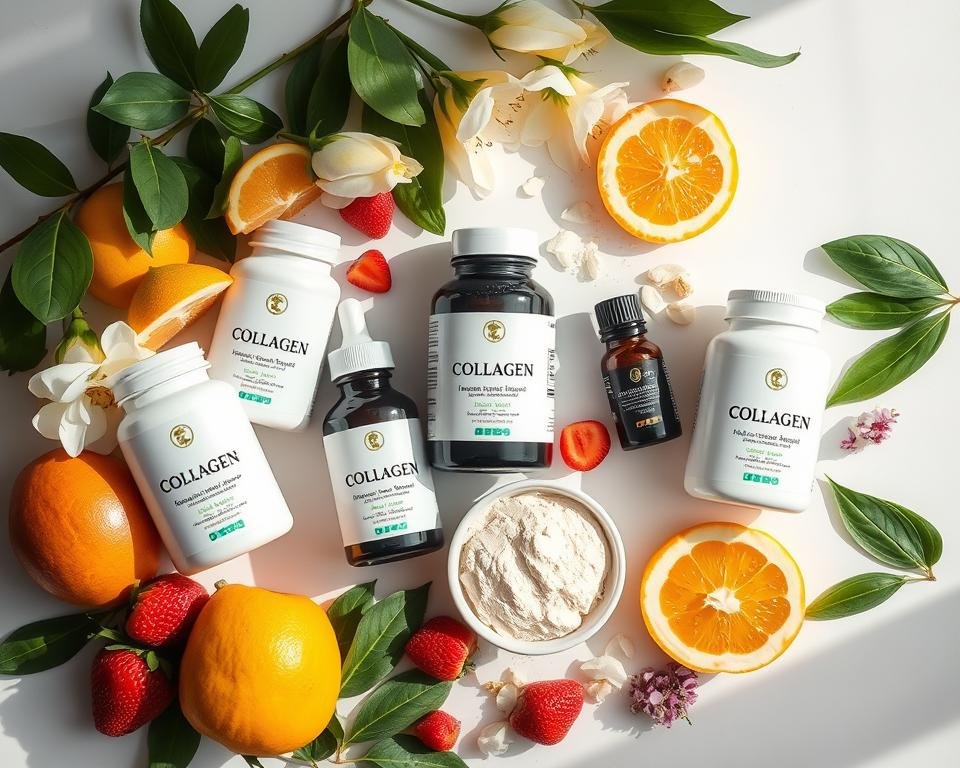
Collagen makes up approximately 30% of the proteins in the human body. It provides structural support to skin, bones, joints, and connective tissue. Starting in our mid-20s, natural collagen production declines steadily — accelerated by sun exposure, smoking, and poor nutrition.
Collagen supplements are designed to help replenish these stores. In this article, we explore the best-supported types and forms, what benefits research has found, and how to incorporate collagen into a broader anti-aging routine.
Key Takeaways
- Collagen is the most abundant protein in the human body, making up approximately 30% of total protein composition.
- Natural collagen production declines with age, contributing to wrinkles, reduced skin elasticity, and joint discomfort.
- Hydrolyzed collagen peptides are the most bioavailable form and the type most studied in clinical research.
- Look for collagen supplements from high-quality, traceable sources such as grass-fed bovine or wild-caught marine collagen.
- Collagen works best alongside a nutrient-rich diet, sun protection, and healthy lifestyle habits.
Understanding Collagen: Types, Sources, and Forms
Collagen is the most common structural protein in our bodies, making up about three-quarters of the dry weight of skin and one-third of total body protein. Understanding the different types, sources, and supplement forms can help you identify the most appropriate option for your goals.
Types of Collagen in Supplements
There are 28 identified types of collagen in the human body, but types I, II, and III are the most prevalent and the most commonly used in supplements. Type I supports skin, hair, and nails. Type II is found primarily in cartilage and is relevant to joint health. Type III works alongside Type I to maintain skin structure and is also found in muscles and blood vessels.
Collagen Sources: Bovine vs. Marine
Collagen supplements are typically derived from bovine (cow) hides or marine (fish) skin and scales. Marine collagen is primarily Type I and is reported to have higher bioavailability due to its smaller peptide size. Bovine collagen commonly provides both Types I and III. Neither source is inherently superior — the best choice depends on your dietary preferences, allergies, and the specific benefits you’re seeking.
Forms of Collagen: Powders, Capsules, and Liquids
Collagen supplements are available in powders, capsules, and liquids. Hydrolyzed collagen (also called collagen peptides) is broken down into smaller chains of amino acids, making it more readily absorbed by the digestive system compared to whole collagen protein.
| Collagen Supplement Form | Characteristics |
|---|---|
| Powders | Easy to mix into drinks, smoothies, or food; typically contain 10–20 grams of protein per serving. |
| Capsules | Convenient for on-the-go use; lower per-dose collagen content than powders. |
| Liquids | May provide faster absorption; can be added to beverages or consumed directly. |
Understanding the types, sources, and forms of collagen supplements helps you choose a product that aligns with your health goals and dietary needs.

Benefits of Collagen Supplements for Anti-Aging
Adding collagen supplements to your routine may support skin, hair, nails, joints, and bones. Research suggests that daily doses of 1–12 grams for 4–12 weeks may improve skin elasticity and hydration, though results vary between individuals and study designs.
Improved Skin Elasticity and Reduced Wrinkles
Several systematic reviews have examined the effects of collagen supplementation on skin. A 2021 review of 26 studies found improvements in skin hydration and elasticity among participants taking hydrolyzed collagen. Another meta-analysis of 19 studies similarly reported reductions in wrinkle depth and improved skin moisture. It is worth noting that many of these studies are short-term and some are industry-funded, so more independent long-term research is needed.
Stronger Hair and Nails
Some evidence suggests collagen supplementation may support hair and nail strength, though the research base is smaller than for skin outcomes. Collagen provides amino acids that serve as building blocks for keratin, the primary structural protein in hair and nails.
Joint and Bone Health Support
Research on collagen for joint and bone health is promising. Some studies have found that collagen supplementation may help maintain bone density and reduce joint stiffness, particularly in people with osteoarthritis. A study examining collagen supplementation in older men with sarcopenia reported improvements in muscle mass and strength when combined with resistance training. As with skin research, most studies are small, and more robust clinical evidence is still developing.
While collagen supplements show promise, it is important to view them as one component of a broader health strategy. Supplements are not a replacement for a balanced diet, adequate sleep, sun protection, and regular physical activity.

Factors to Consider When Choosing a Collagen Supplement
With hundreds of collagen products on the market, a few key criteria can help you evaluate quality and suitability for your needs.
Ingredient Quality and Third-Party Testing
Look for brands that use high-quality, traceable collagen sources — such as grass-fed bovine or wild-caught marine — and that submit their products to independent third-party testing for purity, potency, and contaminants. Certifications from NSF International, USP, or Informed Sport are reliable quality indicators.
Dosage and Bioavailability
Most clinical studies showing skin and joint benefits have used daily doses of 2.5–15 grams of hydrolyzed collagen peptides. Higher doses (10–15g) have been used in studies focusing on joint and bone outcomes. The hydrolyzed (peptide) form is generally preferred for its improved absorption compared to whole collagen protein.
Dietary Restrictions and Allergies
Collagen supplements are animal-derived and are not suitable for vegans. Marine collagen may be problematic for those with fish or shellfish allergies, and bovine collagen is not appropriate for those avoiding beef. Always review the full ingredient list and consult a healthcare provider before starting a new supplement, especially if you have known food sensitivities or chronic health conditions.
By evaluating these factors — source quality, third-party testing, dosage form, and compatibility with your diet — you can make a more informed decision about which collagen product is right for you.
Incorporating Collagen Supplements into Your Daily Routine
Adding collagen supplements to your daily routine is straightforward. Collagen powders can be stirred into coffee, smoothies, soups, or water — most hydrolyzed collagen powders are flavorless and dissolve easily. Capsules and liquid formulations are simply taken according to package directions.
Consistency matters more than timing. Taking your supplement at the same time each day — whether morning or evening — helps establish it as a reliable habit. Studies suggesting skin and joint benefits have generally required continuous daily use over at least 4–8 weeks to see measurable changes.
Supporting collagen through food is also valuable. Bone broth, chicken, fish, and eggs provide amino acids that the body uses to synthesize collagen. Vitamin C is an essential cofactor in collagen production, so including citrus fruits, bell peppers, and leafy greens in your diet can amplify the effects of supplementation.
Because collagen supplements are derived from animal sources, they are not appropriate for people following a vegan diet. Plant-based alternatives focus on providing vitamin C and other collagen-supporting nutrients rather than collagen itself. The FDA regulates collagen products as dietary supplements — not drugs — meaning manufacturers are responsible for ensuring safety and truthful labeling, but pre-market approval is not required.
Women’s Daily Multivitamin: Supporting Collagen from the Inside Out
Collagen supplementation works best when the broader nutritional foundation is solid. A quality women’s daily multivitamin can help fill common dietary gaps and support the body’s natural collagen production processes. Key nutrients to look for include vitamin C (a critical cofactor for collagen synthesis), vitamin D, calcium for bone strength, and iron to support energy and oxygen transport.
Antioxidant vitamins such as E and A also play a role in protecting skin cells from oxidative stress, which can accelerate collagen breakdown. When evaluating multivitamins, look for products that undergo third-party testing, clearly disclose ingredient amounts (not just a proprietary blend), and align with your dietary preferences — whether that means vegan-certified capsules, whole-food-based tablets, or prenatal formulas with enhanced folate and iron.
According to the HHS Office on Women’s Health, many women do not meet recommended daily intakes for key nutrients including vitamin D, calcium, and folate through diet alone. A well-formulated multivitamin can serve as a practical safety net alongside collagen supplementation and a nutrient-dense diet.
Combining Collagen with Other Anti-Aging Strategies
Collagen supplements are most effective when combined with a healthy lifestyle. Skincare, nutrition, exercise, and stress management each influence how well your body maintains and utilizes collagen over time.
Skincare Routine
Topical ingredients that support collagen include vitamin C serums, which stimulate collagen synthesis, and retinoids, which promote cell turnover and new collagen formation. Daily broad-spectrum SPF use is one of the most evidence-backed strategies for slowing collagen degradation caused by UV exposure.
Healthy Diet and Exercise
A diet rich in vitamin C, zinc, and copper supports collagen synthesis. Resistance training and strength exercises help maintain muscle mass alongside collagen in connective tissue. Avoiding smoking and limiting alcohol consumption also help preserve collagen integrity.
Stress Management
Chronic stress elevates cortisol, which can accelerate collagen breakdown and contribute to premature skin aging. Regular stress management practices — including moderate exercise, adequate sleep, and mindfulness techniques — support overall skin health and complement collagen supplementation.
“Collagen is the structural foundation that holds our skin together. Supporting the body’s natural collagen production through targeted supplementation, good nutrition, and sun protection is a multi-pronged approach to aging well.”
Potential Side Effects and Precautions
Collagen supplements are generally well tolerated. Some people experience mild digestive discomfort — such as bloating or a feeling of fullness — when starting a new collagen supplement, particularly at higher doses. These effects typically resolve as the body adjusts. Serious allergic reactions are rare but possible, particularly in people with known sensitivities to fish, shellfish, or eggs depending on the collagen source.
Starting with a lower dose and gradually increasing it can help minimize the likelihood of digestive side effects. Review the full ingredient list carefully if you have food allergies or follow a specialized diet.
Women who are pregnant or breastfeeding, and individuals with chronic health conditions or who take prescription medications, should consult a qualified healthcare provider before beginning any new supplement. While collagen supplements are not known to interact significantly with common medications, individual circumstances vary.
Conclusion
Collagen supplementation is a well-researched strategy for supporting skin elasticity, joint health, and overall vitality as we age. While no supplement can fully reverse the effects of time, hydrolyzed collagen peptides from high-quality sources — combined with a nutrient-dense diet, consistent skincare, and an active lifestyle — offer a meaningful and evidence-supported addition to an anti-aging routine.
When choosing a collagen product, prioritize third-party tested brands with transparent sourcing and appropriate dosages for your goals. And as with any supplement, consulting a healthcare provider ensures it fits your individual health profile.
References
- [1] National Center for Complementary and Integrative Health (NCCIH) — Collagen: What the Science Says
- [2] NIH Office of Dietary Supplements — Vitamin C: Fact Sheet for Health Professionals (Collagen Synthesis)
- [3] American Academy of Dermatology — Anti-Aging Skin Care: What Works
- [4] National Institute on Aging (NIA) — Skin Care and Aging
- [5] HHS Office on Women’s Health — Vitamins and Minerals
- [6] National Osteoporosis Foundation — Calcium and Vitamin D for Bone Health
Medical Disclaimer: This article is for informational purposes only and is not a substitute for professional medical advice, diagnosis, or treatment. Always consult a qualified healthcare provider before starting any new supplement regimen, especially if you have an existing health condition, are pregnant or breastfeeding, or are taking prescription medications. Individual results may vary, and supplement needs differ from person to person.
Frequently Asked Questions
What are the different types of collagen used in supplements?
The most common types in supplements are Type I, II, and III. Type I is found in skin, tendons, and bones and is the primary target for skin anti-aging. Type II is concentrated in cartilage and is often used in joint health formulas. Type III works alongside Type I in skin and muscle tissue. Most supplements focus on Types I and III for skin and general anti-aging benefits.
When should I take collagen — morning or night?
The evidence does not strongly favor one time of day over another for collagen supplementation. Many people prefer taking it in the morning mixed into coffee or a smoothie, while others find an evening dose aligns with their routine. Consistency matters more than timing — taking your supplement at the same time each day is the most reliable way to support long-term results.
Should I take collagen every day?
Yes. Clinical studies reporting skin elasticity and joint improvements have generally required daily supplementation over at least 4–12 weeks. Collagen production declines gradually with age, and consistent daily intake appears necessary to support measurable benefits. Stopping supplementation is likely to result in gradual return to baseline over time.
What are the main anti-aging benefits of collagen supplements?
Research suggests that collagen supplementation may improve skin hydration, elasticity, and wrinkle appearance over 4–12 weeks of daily use. Additional evidence supports potential benefits for joint comfort, bone density maintenance, and muscle mass retention in older adults. While results are promising, most studies are short-term and more independent research is still needed.
What should I look for when choosing a collagen supplement?
Look for hydrolyzed collagen peptides, which are more readily absorbed than whole collagen. Prioritize brands that use high-quality sources — grass-fed bovine or wild-caught marine — and that are independently third-party tested for purity and potency. Check that the product provides at least 2.5–10 grams per serving and that it is free of unnecessary fillers, artificial sweeteners, or undisclosed proprietary blends.
What foods are naturally high in collagen?
Collagen is found in animal connective tissues. Bone broth (made from simmering animal bones), chicken skin, fish skin, pork knuckles, and egg whites are among the richest dietary sources. Pairing these foods with vitamin C-rich vegetables and fruits enhances the body’s ability to synthesize and absorb collagen.
What should I avoid when taking collagen supplements?
Lifestyle habits that degrade collagen — including excessive sun exposure without SPF, smoking, heavy alcohol consumption, and a high-sugar diet — can undermine the benefits of supplementation. Avoid dissolving collagen powder in very hot liquids above approximately 115°F (46°C), as excessive heat may affect protein structure. Also consult your doctor if you take blood thinners or other medications that could interact with supplements.
Can collagen supplements be combined with other anti-aging strategies?
Yes, and doing so is generally recommended. Collagen supplements work best as part of a comprehensive approach that includes daily SPF use, a vitamin C-rich diet, resistance training to maintain muscle and bone density, adequate sleep, and stress management. Topical retinoids and vitamin C serums complement oral collagen by stimulating collagen production at the skin surface level.
Which type of collagen is best for anti-aging?
For skin anti-aging, Type I collagen — the most abundant type in skin — is the primary focus. Marine collagen is predominantly Type I and is recognized for its high bioavailability. For broader anti-aging support including joint and bone health, products combining Types I and III from bovine sources offer a wider range of structural benefits. Whichever type you choose, hydrolyzed (peptide) form optimizes absorption.