
Stubborn belly fat affects millions of people and is more than just a cosmetic issue. Visceral fat—the deep abdominal fat surrounding vital organs—is linked to serious health conditions including heart disease, type 2 diabetes, high blood pressure, and certain cancers. Research from Johns Hopkins Medicine confirms that a larger waistline is one of the most reliable predictors of chronic disease risk1. The good news is that with the right approach, belly fat responds well to evidence-based lifestyle changes.

Key Takeaways
- Carrying excess belly fat increases the risk of chronic diseases like heart disease, diabetes, and certain cancers.
- A low-carb diet can be an effective strategy for targeting stubborn belly fat.
- Combining cardio and strength training helps burn calories, reduce visceral fat, and preserve lean muscle mass.
- Managing stress and getting enough sleep are crucial for preventing cortisol-induced fat storage.
- Limiting intake of added sugars and highly processed foods can help with successful fat loss.
Understand the Importance of Losing Belly Fat
Too much belly fat, especially the kind that wraps around organs, is very dangerous. It raises the risk of serious health problems like heart disease, type 2 diabetes, and some cancers. Even a small amount of visceral fat near vital organs can cause significant health issues.
Having too much fat around organs can lead to high blood pressure, metabolic dysfunction, and increased risk of certain cancers. The NHLBI notes that waist circumference is an important indicator of abdominal obesity and associated health risks2.
It’s key to lose this harmful belly fat to live a healthier life and live longer. A bigger waistline means a higher risk of heart disease, diabetes, and cancer1. Cutting down on deep abdominal fat can greatly improve your health and lower the risk of these serious conditions.
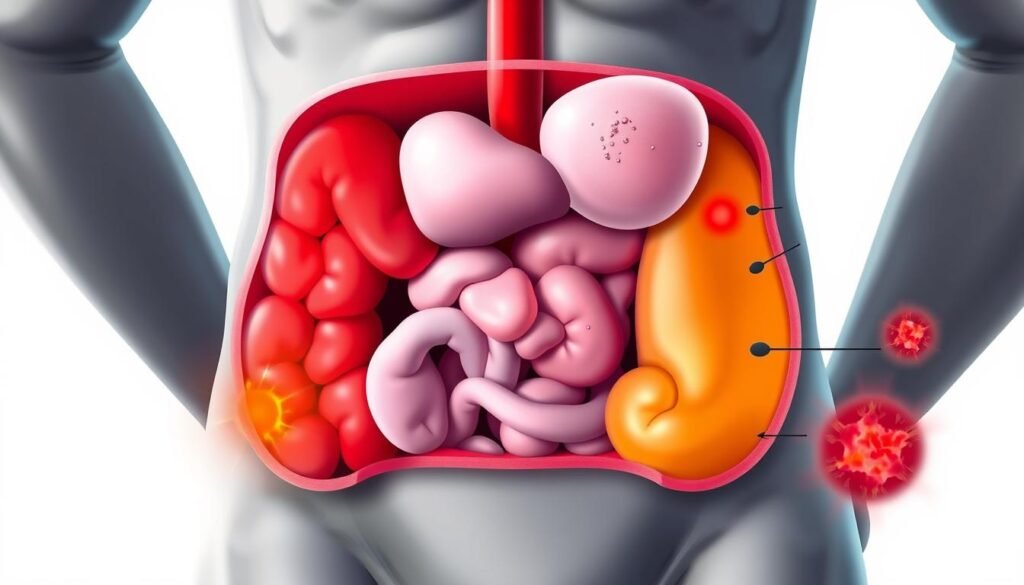
To lose weight through exercise alone, aim for 225 to 420 minutes of weekly activity. The CDC recommends at least 150 minutes of moderate-intensity aerobic activity per week3. Mixing cardio and strength training helps burn calories and visceral fat while keeping muscle mass, which boosts metabolism and helps keep weight off.
Dietary Strategies for Reducing Belly Fat
Changing your diet is also important for losing belly fat. Eating more soluble fiber can help you lose weight and shrink your waistline. Foods like oats, peas, beans, apples, and carrots are good for digestion and blood sugar control. Aim for 28 grams of fiber a day on a 2,000 calorie diet for the best results.
Drinking enough water is also key for better exercise performance and fat burning. Getting 7 to 9 hours of quality sleep a night, as recommended by the NHLBI, can also help keep visceral fat levels down4.
| Measure | Recommended Range |
|---|---|
| Waistline | Less than 35 inches for women, less than 40 inches for men |
| Weekly Exercise | 30-60 minutes of moderate to vigorous exercise nearly every day |
| Fiber Intake | 28 grams per day for a 2,000 calorie diet |
| Sleep | 7-9 hours of quality sleep per night |
By eating healthy, exercising regularly, and making lifestyle changes, you can target and reduce dangerous belly fat. This improves your health and lowers the risk of chronic diseases.
According to the American Heart Association, even modest weight loss—particularly around the abdomen—can lead to meaningful improvements in blood vessel functioning, sleep quality, and overall cardiovascular health5.
In conclusion, losing belly fat is vital for long-term health and wellness. A balanced diet, regular exercise, and lifestyle changes are key.
Try a Low-Carb Diet for Effective Weight Loss
If you’re having trouble losing belly fat, a low-carb diet might help. Studies show it can lead to more weight loss and fat loss than a low-fat diet, even with the same calories. This is because it lowers insulin levels, making your body burn fat instead of storing it.
Using a low-carb diet can help target and reduce belly fat. Research finds that low-carb diets, especially very low-carb ones, can lead to more weight loss in the short term than low-fat diets. But, the long-term weight loss benefits of low-carb diets are similar to low-fat diets after a year or two.
To get the most out of a low-carb diet, focus on healthy carbs, fats, and proteins. Experts say this diet may lower the risk of type 2 diabetes and heart disease6.

Starting a low-carb diet too quickly can cause side effects like constipation and headaches. Severe carb cuts can also cause ketosis, leading to bad breath and weakness6. So, it’s important to start slowly and make sure you’re getting enough nutrients.
By combining a low-carb diet with regular exercise, you can tackle belly fat and improve your health. Remember, success takes time and patience, so keep up the good work.
Adopt a Sustainable Eating Plan, Not a Temporary Diet
Sustainable weight loss isn’t about quick fixes or fad diets. It’s about making lasting lifestyle changes for fat loss and long-term health. Instead of a temporary “diet,” choose a healthy eating plan you can follow long-term.
Fad diets and quick fixes might help you lose weight fast, but they don’t solve the real issues. To lose belly fat and keep it off, make slow, lasting changes to your eating and lifestyle.
The Mayo Clinic Diet is a good example. It focuses on lifestyle changes and new habits that are sustainable for long-term weight management. It allows generous portions of vegetables and fruits without calorie counting, and suggests at least 30 minutes of exercise daily.
Intermittent fasting is another strategy. Research suggests it can lead to 3–8% weight loss and a 4–7% reduction in waist circumference over 3–24 weeks7. It also boosts your metabolism, lowers insulin, and helps control blood sugar. But, it can be hard to stick to, especially if you eat too much during your eating windows.
The secret to lasting weight loss is making slow, enjoyable changes to your life, not just diets. A balanced eating plan and regular exercise can help you manage your weight and health for good.
Incorporate Regular Exercise to Burn Belly Fat
To get a flat, toned midsection, you need to do exercises that target belly fat. Mix regular cardio with strength training. This combo burns calories, reduces belly fat, and keeps muscle mass, helping your metabolism stay healthy.
Aerobic activities like brisk walking, jogging, swimming, or cycling are great for burning body fat, including belly fat. The CDC recommends at least 150 minutes of moderate-intensity aerobic activity per week3. Choose exercises that make you slightly out of breath but still let you speak clearly.
Adding strength training to your cardio routine is also crucial. Weight lifting, resistance bands, and bodyweight exercises build lean muscle. This boosts your metabolism and helps with fat loss8. Exercises like crunches, leg raises, and planks tone and strengthen your core, giving you a more defined midsection.
| Exercise | Repetitions |
|---|---|
| Mountain Climbers | 15-20 |
| Lying Leg Raises | 10-15 |
| Crunches | 12-20 |
| Scissor Kicks | Multiple |
| Knee Tucks | Around 10 |
| Toe Touches | Several |
But, don’t overdo it. Too much high-intensity exercise without adequate recovery can raise cortisol levels, which may promote belly fat storage. Adding stress-relieving activities like mindfulness, deep breathing, tai chi, and yoga can help manage stress and aid in fat loss.
By combining cardio, strength training, and a balanced diet, you can burn belly fat, keep muscle, and get a healthier body. Remember, losing weight and fat takes consistent time and effort.
Best Way to Lose Belly Fat
Many people want to lose belly fat, but there’s no quick fix. The best way is to change your diet, exercise regularly, and make lifestyle changes. This approach helps you lose belly fat and get healthier over time.
Eating fewer refined carbs is a good strategy for losing belly fat. Studies show it leads to more fat loss than low-fat diets. Eating more plant-based foods, lean proteins, and healthy fats helps target belly fat.
Exercise is also key for burning belly fat. Mix cardio and strength training to burn calories and keep muscle. High-intensity interval training (HIIT) and strength exercises are especially effective for reducing visceral fat.
Age and genetics can affect belly fat. As we age, our metabolism slows, and hormones change. But, with the right diet, exercise, and lifestyle, you can still lose belly fat and stay healthy.
Remember, losing belly fat takes time and effort. It’s about eating well, exercising consistently, and managing stress. With patience and the right guidance, you can achieve a healthier waistline.
Belly Fat Measurement and Health Risks
Too much belly fat is unhealthy. For men, a waist over 40 inches is a sign of excess belly fat. For women, it’s a waist over 35 inches9. Excess belly fat raises the risk of many health problems, including heart disease and type 2 diabetes.
Sustainable Weight Loss Strategies
Slow and steady weight loss is best. Quick weight loss often leads to regaining the weight. Focus on making lasting changes to your diet and exercise routine.
- Eat more plant-based foods, lean proteins, and healthy fats
- Limit processed meats, saturated fats, and sugary drinks
- Do regular exercise, including both cardio and strength training
- Get support from a qualified healthcare provider
By taking a comprehensive and sustainable approach, you can lose belly fat and improve your health in the long run.
Manage Stress Levels to Prevent Cortisol-Induced Fat Storage
Chronic stress can lead to weight gain, especially around the midsection. It triggers the release of cortisol. High cortisol levels can increase hunger, promote fat storage in the belly, and disrupt your metabolism. Finding healthy ways to manage stress is therefore essential for effective fat loss.
Relaxation techniques like yoga, meditation, or deep breathing are effective. They can lower cortisol and balance hormones, supporting weight loss efforts. Regular exercise also helps manage stress and keeps your body healthy.
According to the National Institutes of Health, chronic elevation of cortisol can contribute to insulin resistance, which may increase the risk of developing type 2 diabetes over time10. Managing stress is therefore not just good for your mental health—it directly supports your metabolic health.
While supplements claiming to reduce cortisol and help with weight loss might look tempting, they’re not proven to work. Instead, focus on eating a balanced diet and adding stress-relieving activities to your day.
By managing your stress, you can avoid cortisol’s negative effects, like stubborn belly fat. Taking care of your mental and physical health can meaningfully change your weight loss journey.
Limit Intake of Sugary and Processed Foods
Eating too much added sugar and processed foods can lead to weight gain and increased belly fat. In the U.S., people consume about 17 teaspoons of added sugar every day—most coming from drinks like sweetened teas, sodas, and coffees. Cutting down on these foods is essential for fat loss.
The 2020–2025 Dietary Guidelines for Americans recommend limiting added sugars to no more than 10% of daily calories—that’s about 12 teaspoons on a 2,000-calorie diet11. The FDA has also taken steps to remove harmful trans fats from processed foods to protect cardiovascular health.
Reduce Sugar Intake for Fat Loss
Too much added sugar can significantly expand your waistline. The Dietary Guidelines also recommend that women consume no more than one alcoholic drink per day, and men no more than two11. Alcohol is calorie-dense and contributes to abdominal fat accumulation.
To lose belly fat, cut down on sugary drinks, baked goods, and processed snacks. Eat more whole, nutrient-rich foods like fruits, vegetables, lean proteins, and complex carbohydrates.
“Losing 5% to 10% of body weight can lead to improvements in blood pressure, blood sugar, cholesterol levels, mobility, and sexual function.”12
Stay Hydrated and Prioritize Adequate Sleep
Drinking enough water and sleeping well are key for losing weight and reducing belly fat. Proper hydration supports fat metabolism, while insufficient sleep can increase hunger hormones and contribute to belly fat accumulation.
The CDC reports that approximately 1 in 3 US adults do not get enough sleep—less than 7 hours on most nights13. Research published in the American Journal of Clinical Nutrition found that sleep-deprived individuals consumed significantly more calories daily, largely from high-fat and high-carbohydrate foods, which promotes fat storage around the abdomen.
Drinking water is also vital for fat metabolism. It can help prevent late-night snacking and overeating, both of which contribute to abdominal weight gain.
To boost your body’s fat-burning capacity, drink plenty of water throughout the day and aim for 7–9 hours of quality sleep each night, as recommended by the NHLBI4. Healthy sleep habits—like maintaining a consistent bedtime, avoiding screens before bed, and limiting caffeine in the afternoon—all support better sleep and healthier body composition.
Focus on hydration and sleep to help your body burn fat naturally. These are often the most underestimated yet powerful tools in any weight loss plan.
Combine Diet and Exercise for Best Results
To lose belly fat, you need a mix of healthy eating and regular exercise. Diet helps you reduce caloric intake and cut down body fat. Exercise burns calories, builds lean muscle, and targets belly fat. By eating right and exercising consistently, you can lose belly fat and maintain a healthy weight.
A good diet should include adequate protein—research suggests aiming for 25–30% of daily calories from protein. Lean protein boosts your metabolism and reduces hunger. Foods high in soluble fiber, like whole grains and legumes, also help with belly fat loss.
For exercise, cardio is great for your heart and losing weight. Good options include jogging, swimming, biking, and brisk walking. Strength training is also highly effective for reducing belly fat and improving body composition.
The American Heart Association emphasizes that combining cardiovascular exercise with strength training is one of the most effective strategies for reducing body fat, improving metabolic health, and maintaining a healthy weight long-term14.
By mixing diet and exercise, you can lose belly fat effectively. This balanced, integrated approach to fat loss is the cornerstone of lasting health.
Conclusion
To lose belly fat, you need a comprehensive plan. This includes eating a nutrient-rich diet, exercising regularly, managing stress, drinking plenty of water, and getting enough sleep.
By using these proven, evidence-based methods, you can tackle stubborn belly fat—and not only lose weight but also significantly improve your long-term health.
Remember, most body fat is subcutaneous (under the skin), but visceral fat around vital organs poses the greatest health risks. Creating a modest calorie deficit through a combination of diet and exercise is the most sustainable path to belly fat loss. With patience, consistency, and the right guidance, you can achieve a healthier waistline and a healthier life.
References
- Johns Hopkins Medicine — 8 Ways to Lose Belly Fat and Live a Healthier Life
- NHLBI — Assessing Your Weight and Health Risk
- CDC — Physical Activity Recommendations for Adults
- NHLBI — Sleep Deprivation and Deficiency
- American Heart Association — Losing Weight
- Mayo Clinic — Low-Carb Diet: Can It Help You Lose Weight?
- NCCIH (NIH) — Intermittent Fasting: What You Need to Know
- NHLBI — Maintaining a Healthy Weight
- Mayo Clinic — Belly Fat in Women: Taking — and Keeping — It Off
- NIH NIDDK — Insulin Resistance and Prediabetes
- USDA — Dietary Guidelines for Americans 2020–2025
- Cleveland Clinic — Tips for Losing Belly Fat
- CDC — Sleep and Sleep Disorders Data and Statistics
- American Heart Association — Physical Activity Recommendations for Adults
Medical Disclaimer: This article is for informational purposes only and is not a substitute for professional medical advice, diagnosis, or treatment. Always consult a qualified healthcare provider before starting any new diet, exercise program, or weight loss plan, especially if you have an existing health condition.
FAQ
What are the health risks associated with belly fat?
Belly fat is linked to heart disease, type 2 diabetes, and certain cancers. Visceral fat—the deep fat around vital organs—is especially risky. It promotes chronic inflammation and metabolic dysfunction that can lead to serious illness over time.
How can a low-carb diet help with losing belly fat?
A low-carb diet can lead to more weight and fat loss than a low-fat diet by lowering insulin levels, which signals the body to burn stored fat rather than storing more. It is particularly effective at reducing visceral belly fat in the short term.
What is the importance of adopting a sustainable eating plan for losing belly fat?
It’s key to choose a healthy eating plan you can maintain long-term. Fad diets may produce quick weight loss but don’t address the underlying habits that drive weight gain, so the weight typically returns.
How can combining cardio and strength training help with burning belly fat?
Cardio and strength training together create a powerful fat-burning effect. Cardio burns calories during exercise, while strength training builds lean muscle that raises your resting metabolism, helping you burn more calories and fat around the clock.
What is the most effective way to lose belly fat?
Losing belly fat requires a comprehensive approach combining dietary changes, regular exercise, stress management, adequate sleep, and proper hydration. No single strategy works in isolation—consistent application of multiple evidence-based habits is the most effective path.
How can managing stress levels help with losing belly fat?
Chronic stress raises cortisol levels, which increases appetite, promotes fat storage around the belly, and can lead to insulin resistance. Managing stress through yoga, meditation, or deep breathing helps restore hormonal balance and supports fat loss.
What types of foods should be limited to lose belly fat?
Limit added sugars, sweetened beverages, refined carbohydrates, and ultra-processed snacks. These foods are calorie-dense, nutrient-poor, and drive insulin spikes that promote fat storage—particularly in the abdominal area.
How important is hydration and sleep for losing belly fat?
Both are crucial. Proper hydration supports fat metabolism and helps control appetite. Adequate sleep (7–9 hours per night) regulates hunger hormones like leptin and ghrelin, reducing cravings and fat storage—particularly around the midsection.